

Not everyone considering areola tattooing has undergone breast surgery or needs nipple reconstruction. Sometimes, the goal is much simpler: you like the natural shape and size of your areolas, but you wish they were a little darker.
Perhaps your areolas have always been lighter than you’d prefer. Maybe their pigmentation has changed over time, or one areola is noticeably lighter than the other. You might simply want a richer, more defined color that complements your natural skin tone.
Whatever your reason, wanting to change the appearance of your areolas is a personal aesthetic preference.
Cosmetic areola tattooing is a pigmentation technique that may help deepen the color of existing areolas, improve uneven pigmentation, and create a more defined appearance without changing their natural shape.
But how does areola darkening work? Can the results look natural? And is it possible to darken your areolas without making them larger?
Here’s what you should know before considering areola color enhancement.
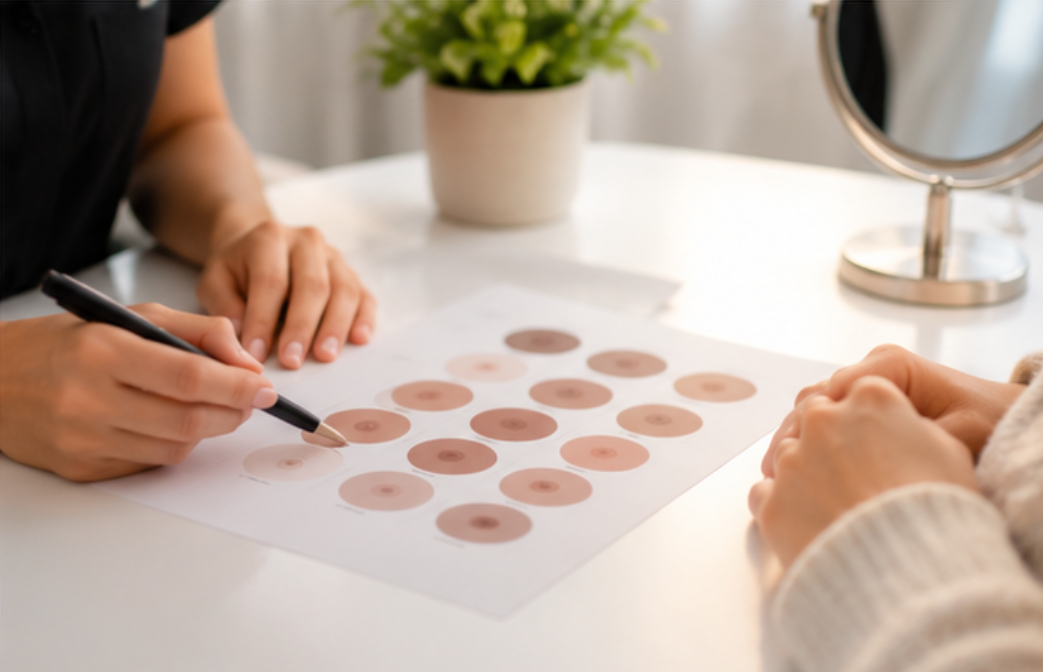
What Is Areola Darkening Tattooing?
Areola darkening tattooing is a form of cosmetic pigmentation designed to enhance or deepen the existing color of the areola, the pigmented area surrounding the nipple.
Unlike 3D nipple reconstruction, which may involve recreating the appearance of missing nipples or areolas, cosmetic areola darkening focuses primarily on improving existing pigmentation.
The procedure involves carefully depositing specialized tattoo pigments into the skin to create a desired color.
Depending on the individual’s starting pigmentation and aesthetic goals, the artist may use a combination of pigment shades to create a natural-looking appearance.
For example, someone with very light pink areolas may prefer a slightly deeper rose or warm brown tone. Another person may want to enhance their existing brown pigmentation or reduce visible differences between the two areolas.
The objective is not necessarily to create a dramatic transformation.
For many individuals, subtle color enhancement is enough to achieve their desired appearance.
Can You Permanently Darken Your Areolas?
Yes, tattooing can be used to darken the appearance of natural areolas by adding pigment to the skin.
However, it’s important to understand that permanent tattooing does not necessarily mean the color will remain exactly the same forever.
As with other forms of cosmetic tattooing, areola pigmentation may gradually fade or change in appearance over time.
Factors that can influence pigment retention include:
-
Natural skin tone and existing areola pigmentation
-
Skin characteristics and individual healing
-
Pigment selection and application technique
-
Sun exposure
-
Hormonal and age-related changes
-
The body’s response to tattoo pigments
Some individuals may eventually choose to have their pigmentation refreshed to maintain their preferred appearance.
Because tattooing is a long-lasting cosmetic procedure, selecting the right color and discussing realistic expectations before treatment is especially important.
Why Do Some Women Want Darker Areolas?
There are many reasons someone might want to deepen the natural color of their areolas.
For some, it’s simply a matter of personal preference.
Others may have noticed changes in pigmentation throughout their lives or differences between their breasts.
Naturally Light Areolas
Areola pigmentation varies widely from person to person.
Some individuals naturally have very light pink or pale areolas, while others have deeper pink, reddish-brown, or dark brown pigmentation.
These variations are normal and are influenced by individual anatomy, genetics, and skin pigmentation.
Someone with naturally light areolas may prefer a darker shade that creates more contrast against the surrounding breast skin.
Uneven Areola Pigmentation
Areolas do not always have perfectly consistent pigmentation.
Some individuals have areas that are lighter or darker than others, creating an uneven appearance.
Cosmetic pigmentation may help create a more visually consistent color, depending on the existing skin and pigment distribution.
Differences Between Both Areolas
It’s common for the two areolas to differ slightly in size, shape, or pigmentation.
However, some people notice a more significant difference in color.
For example, one areola may appear darker or more defined than the other.
Carefully selected pigmentation may help reduce this contrast and create a more balanced appearance.
Changes After Pregnancy or Breastfeeding
Pregnancy and breastfeeding can affect the color and appearance of nipples and areolas.
During pregnancy, hormonal changes commonly cause areolas to become darker. Afterward, pigmentation may change again, although the degree and timing vary.
Some individuals may wish to adjust their areola color after these changes.
If you’re currently pregnant or breastfeeding, elective cosmetic tattooing should be postponed. A consultation after breastfeeding has ended can help determine whether the pigmentation has stabilized and whether tattooing is appropriate.
Can You Darken Your Areolas Without Making Them Bigger?
Yes. Areola darkening does not necessarily require changing the size or shape of your existing areolas.
This is an important distinction for individuals who are happy with their natural anatomy and only want a deeper color.
A cosmetic tattoo can be planned to follow the existing boundaries of the areola rather than extending beyond them.
For example, if you have naturally round areolas and like their current size, the pigmentation can be designed to preserve that appearance while enhancing the color.
The artist can also consider the natural softness of the areola borders.
Natural areolas often have subtle, irregular edges rather than perfectly defined circular outlines.
Maintaining these characteristics may help create a more realistic result.
During your consultation, it’s helpful to explain whether you want:
-
A slightly darker version of your existing color
-
More consistent pigmentation throughout the areola
-
A richer, warmer, or cooler shade
-
More visible definition without changing the areola’s size
-
Better color balance between both breasts
Being specific about these preferences can help guide the design and pigment selection.
How Does Cosmetic Areola Darkening Work?
The process begins with an evaluation of your existing pigmentation, skin tone, and desired appearance.
Unlike reconstructive tattooing, which may require creating an entirely new nipple or areola design, cosmetic darkening can often focus on enhancing the color already present.
1. Consultation and Color Selection
The first step is discussing your goals.
Do you want a subtle enhancement or a noticeably deeper shade? Are you trying to make both areolas look more similar, or do you simply want more color?
The artist evaluates your existing pigmentation and considers which pigment shades may complement your natural skin tone.
2. Planning the Pigmentation
Before tattooing, the intended treatment area and color approach are reviewed.
If your goal is to preserve your natural areola size and shape, the design can be planned around the existing boundaries.
3. Applying the Pigment
Pigment is deposited into the skin using tattooing equipment.
Depending on the desired result, the artist may use carefully selected tones and controlled shading to create more consistent pigmentation.
The aim is to avoid an overly flat or artificial-looking result.
4. Healing and Color Development
Immediately after tattooing, the pigmentation may appear darker or more intense than the eventual healed result.
As the skin recovers, the appearance of the pigment changes.
The final healed color may be softer than the initial appearance, and pigment retention varies between individuals.
A follow-up appointment or touch-up may be appropriate depending on the healed result.
Will Darkened Areolas Look Natural?
Natural-looking results depend on the artist’s understanding of pigmentation, color selection, and the characteristics of the areola.
Unlike applying a single solid color to a flat surface, realistic areola pigmentation may involve subtle differences in tone and careful attention to the existing anatomy.
Natural areolas often contain variations in color, including lighter and darker areas.
Preserving some of these characteristics can help the final pigmentation look less artificial.
Skin tone also plays an important role.
A pigment shade that complements one person’s complexion may not produce the same appearance on someone with a different skin tone or underlying pigmentation.
This is why individualized color selection is preferable to choosing a standardized shade.
It’s also important to understand that the final healed color cannot be predicted with complete certainty. Skin characteristics, healing, and pigment retention all influence the outcome.
Can Areola Tattooing Fix Uneven or Patchy Color?
In some cases, cosmetic tattooing may help improve the appearance of uneven areola pigmentation.
For example, if one portion of the areola is lighter than the surrounding area, carefully applied pigment may reduce the visible difference.
Similarly, someone with two differently colored areolas may be able to achieve a closer color match.
However, tattooing does not guarantee perfectly uniform pigmentation.
The existing skin color, pigment saturation, and healing response all affect the final appearance.
If uneven pigmentation is new, unexplained, or accompanied by other breast or nipple changes, it should be evaluated by a healthcare professional before cosmetic tattooing.
Does Areola Darkening Tattooing Hurt?
The nipple and areola area can be sensitive, and discomfort during tattooing varies from person to person.
Some individuals may experience mild to moderate discomfort, while others may find the area more sensitive.
The sensation depends on factors such as individual pain tolerance, skin sensitivity, and the extent of the treatment.
Because this area contains delicate skin, appropriate technique and aftercare are particularly important.
During a consultation, you can ask about the procedure, expected sensations, and what to anticipate during recovery.

How Long Does Areola Darkening Last?
Areola tattooing is considered a long-lasting form of pigmentation, but the appearance of the color can change over time.
The rate of fading varies between individuals.
Some people may retain their preferred color for years, while others may notice gradual softening or changes in pigment appearance.
Factors such as skin characteristics, sun exposure, healing, and pigment application can influence longevity.
Touch-up treatments may be considered when the pigmentation has healed and the result can be properly assessed.
Because the color may not fade evenly or completely, areola darkening should be approached as a long-term cosmetic decision rather than a temporary beauty treatment.
Is Cosmetic Areola Darkening Safe?
Areola tattooing involves breaking the skin, so it carries risks similar to other tattoo procedures.
Potential complications include infection, allergic or inflammatory reactions, scarring, pigment migration, and unexpected color changes.
The nipple and areola area may be particularly sensitive, and not everyone is an appropriate candidate.
Individuals with active skin conditions, unhealed wounds, unexplained nipple changes, or certain medical concerns should seek medical guidance before considering treatment.
Choosing a qualified artist who follows appropriate hygiene and infection-control practices is essential.
A consultation should also include a discussion of realistic outcomes, healing requirements, and possible limitations.
Areola Darkening vs. 3D Nipple Restoration: What’s the Difference?
Although both procedures involve pigmentation of the nipple and areola area, their purposes are different.
Cosmetic areola darkening focuses on enhancing the existing color of natural areolas. The client generally already has nipple and areola tissue and wants a change in pigmentation.
3D nipple and areola restoration is commonly performed following mastectomy, breast reconstruction, top surgery, or other procedures that have altered or removed nipple tissue.
Restorative tattooing may use shadows, highlights, and detailed shading to recreate the visual appearance of a nipple, even on relatively flat skin.
Cosmetic darkening may not require these three-dimensional effects because the natural nipple and areola are already present.
Understanding the distinction helps ensure that the procedure is tailored to your actual goals.
Do You Need Areola Reconstruction if You Only Want Darker Areolas?
No. If your natural nipples and areolas are intact and you’re happy with their shape and positioning, you may not need a reconstructive tattoo design.
Your goal may simply be to enhance the pigmentation.
This is why it’s important to clearly explain what you’re hoping to change during the consultation.
For example, saying “I just want to darken my areolas” communicates a very different goal from wanting to recreate a missing nipple or conceal a surgical scar.
A good consultation should focus on what you want to achieve without recommending unnecessary changes to your natural anatomy.
Exploring Areola Color Enhancement With Jayd Hernandez
Jayd Hernandez specializes in realistic 3D nipple and areola restoration, with an emphasis on individualized pigment selection, detailed color work, and natural-looking results.
If you’re interested in darkening your natural areolas, an initial consultation can help determine whether cosmetic pigmentation is an appropriate option and whether your goals fall within the services offered.
You can explain your preferred shade, discuss any differences between your areolas, and share what you would like to keep unchanged.
If you’re happy with your current areola size and shape, make that clear from the beginning.
Jayd’s private studio is located in Gilbert, Arizona, and prospective clients can begin by submitting an online consultation request.
Want Darker, More Defined Areolas?
You don’t have to want a dramatic transformation to consider areola pigmentation.
Sometimes, the goal is simply to deepen your natural color, improve uneven pigmentation, or create a more balanced appearance between both areolas.
Cosmetic areola darkening may offer a long-lasting way to enhance existing pigmentation while preserving the natural shape and size of your areolas.
The first step is understanding whether the procedure is suitable for your skin and what kind of result may realistically be achieved.
Contact Jayd Hernandez to discuss your goals and explore your options for areola color enhancement.